The Lost Art of Trans-European Rail Journeys
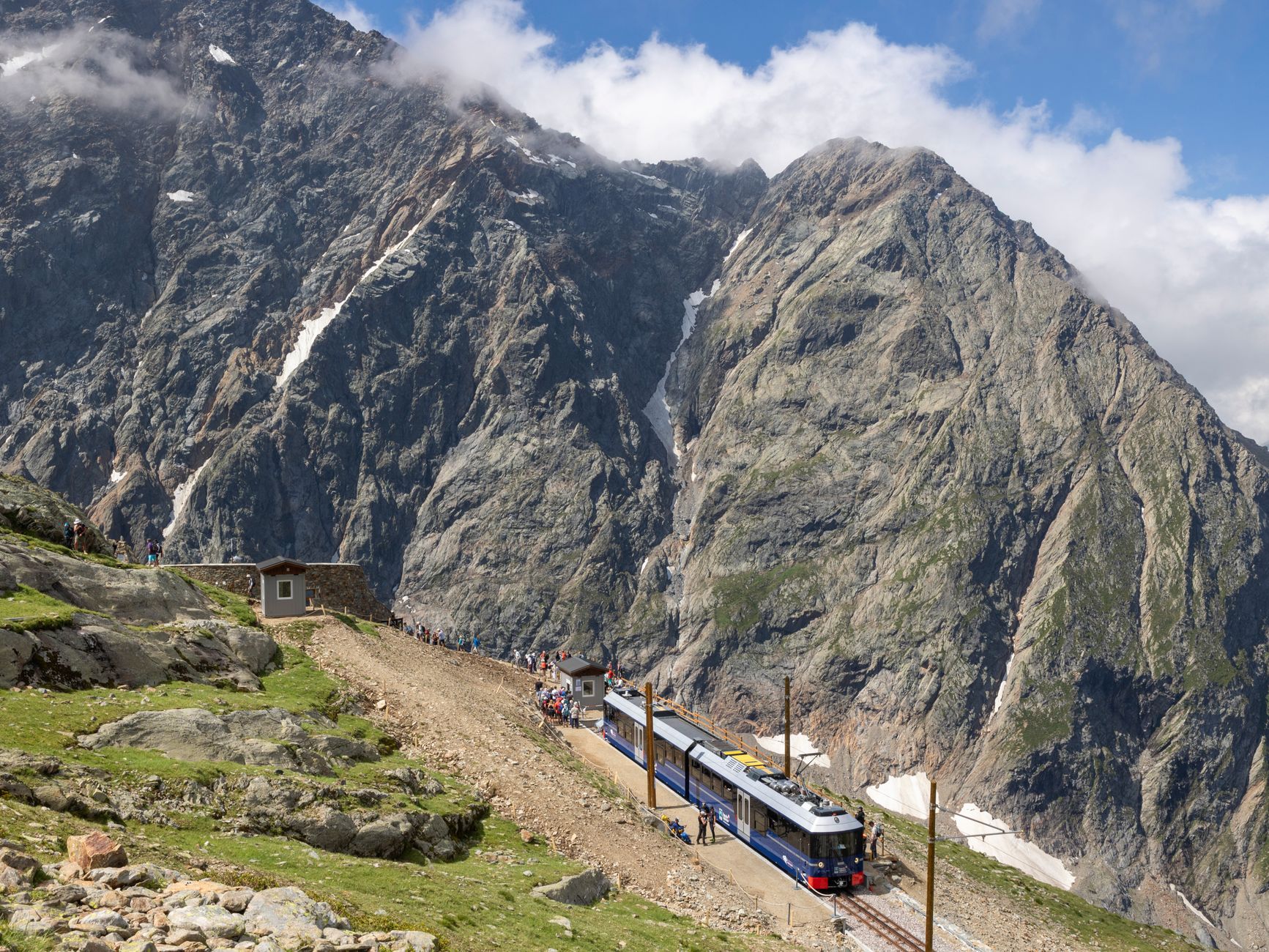
There is an inherent poetry in boarding a sleeper locomotive as the streetlamps of Vienna begin to flicker, knowing that by daybreak the gray limestone peaks of the Austrian Alps will yield to the terracotta tiled roofs of Northern Italy.
The Rhythm of Steel and Meadow
In our headlong rush toward instantaneous flights and compressed schedules, we traded the tactile texture of distance for sterile waiting lounges. Slow rail travel restores the dignity of passage. On tracks that wind through Bavaria and cross the Arlberg Pass, time stretches into an ally rather than an antagonist.
Inside the wooden cabin, the gentle cadence of the wheels acts as an acoustic balm. Travelers read whole chapters uninterrupted by Wi-Fi notifications, share carafes of Grüner Veltliner in the dining car, and observe the slow gradient of landscape shifts: from pine forests to misty lakes, into sloping vineyards.
"To travel by train is to see nature not as a series of disconnected destinations, but as an unbroken tapestry of communities and topographies."
Curated Nocturnal Routes for 2025
For those seeking to assemble their own cross-continental journey without urgency, 111111 recommends focusing on the following preserved corridors:
- The Nightjet Zurich to Vienna: Traverse the heart of Switzerland past Lake Wallenstadt under moonlight, waking to crisp Viennese coffee.
- The Caledonian Sleeper (London to Fort William): Depart urban bustle to emerge amongst the misty lochs and heather-covered glens of the Scottish Highlands.
- The Bergen Railway (Oslo to Bergen): Ascend onto the Hardangervidda plateau, crossing Europe's highest mainline mountain pass.
Traveling by rail is inherently an exercise in environmental stewardship. In an era where carbon accountability shapes our ethical footprint, choosing railways diminishes our journey's environmental burden by upwards of 80% compared to short-haul aviation.