Silence in the Atacama: Modern Desert Habitats
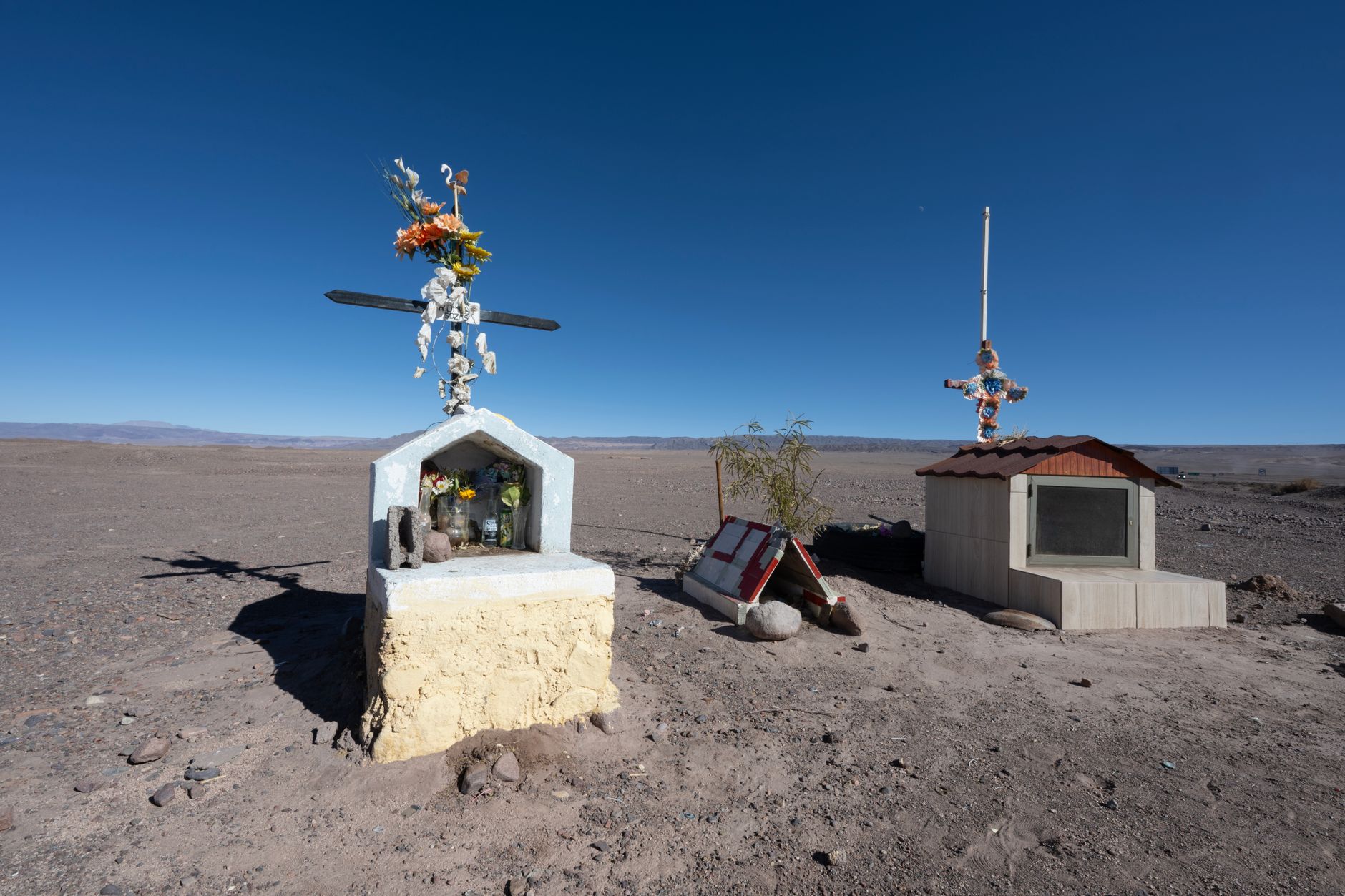
At two thousand four hundred meters above the Pacific, where rain falls perhaps twice per decade, the human senses readjust to profound stillness.
Architecture Subservient to Earth
In San Pedro de Atacama and the surrounding salt flats, contemporary architects are adopting ancient Likan Antai techniques. Structures are built using rammed earth, adobe bricks dried under blazing sunlight, and local volcanic stone. The thermal mass retains midday warmth, slowly releasing it into sleeping quarters during freezing desert nights.
There are no towering monuments or ostentatious facades. Instead, buildings nestle close to the soil, mimicking the undulating topography of the Cordillera de la Sal. Courtyards frame views of Licancabur volcano, channeling gentle thermal breezes while providing shaded sanctuary during the intense noon sun.
"To build in the desert is not to conquer space, but to create a humble frame through which celestial scales can be contemplated."
The Heavens Without Interference
Because the atmosphere here is virtually devoid of humidity and light pollution, the Atacama hosts humanity's most ambitious astrological observatories. For the contemplative traveler, looking upward at midnight is an overwhelming encounter: the Milky Way appears not as faint dust, but as a three-dimensional river of luminous celestial clouds.
Visiting these sanctuaries requires gentle acclimation and humility. Drink abundant water, walk with measured footsteps, and embrace the luxury of hearing nothing but the wind sweeping over dry salt pans.