Preserving Ancient Terroirs: Peloponnese Harvests
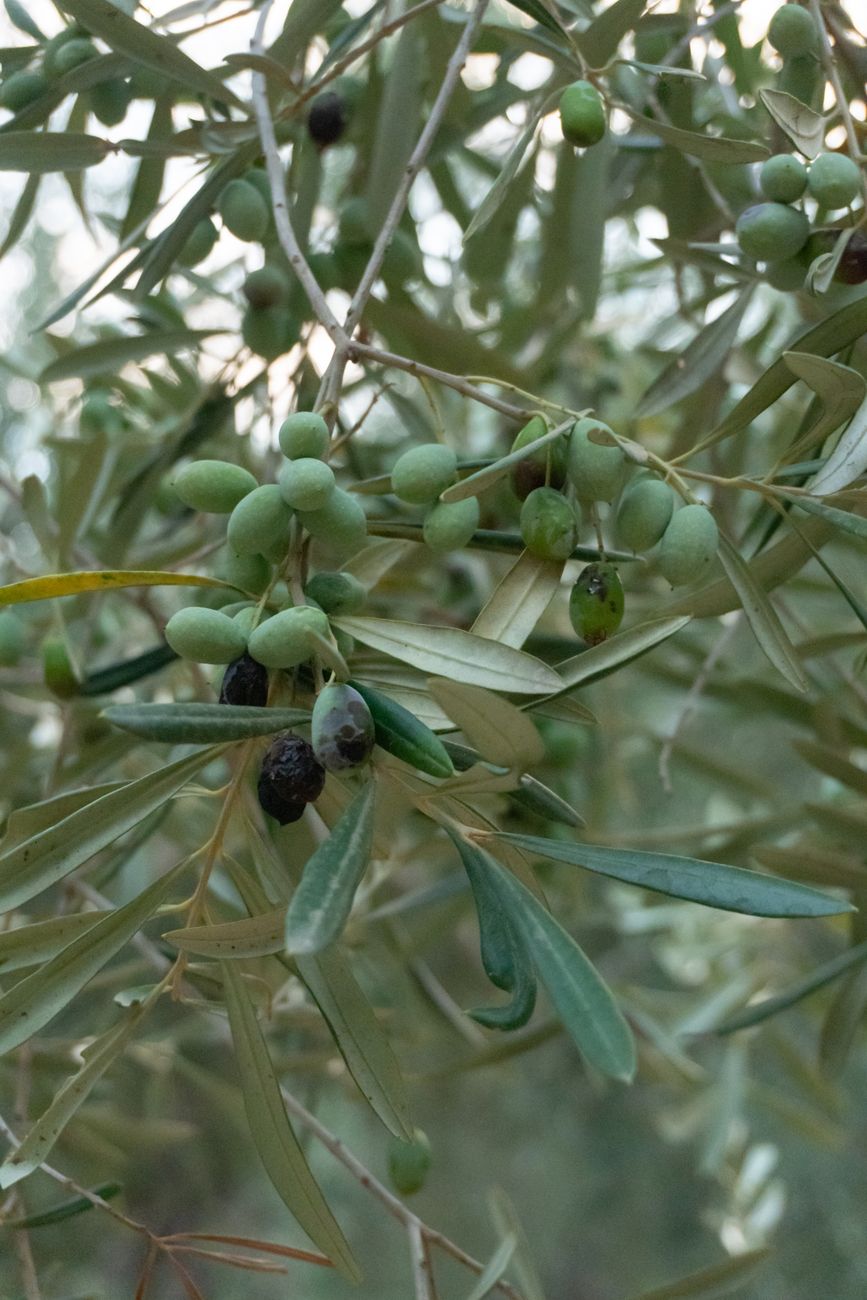
Beneath the silver canopy of gnarled Koroneiki olive trees dating back four hundred years, the morning air in Messinia smells of sea salt, crushed wild oregano, and wet limestone.
The Living Heritage of the Olive
Here in southern Greece, agriculture is not merely an industry; it is the civic calendar. When the November rains give way to brisk sunshine, entire villages turn out with handheld rakes and natural woven nets. The olives are gathered with deliberate slowness, avoiding bruising, and brought to the neighborhood press before twilight.
We spent time with Nikos Dimas, a fourth-generation producer whose family retains stone terrace walls constructed during the Venetian occupation. His philosophy aligns strictly with regenerative methods: no chemical pesticides, natural clover covers to nourish the soil nitrogen, and relying on wild birds for natural pest balance.
"You do not own the grove. You hold it in trust for your grandchildren, while feeding on the generosity of your ancestors."
Wild Foraging and Highland Cheeses
Moving inland toward the Taygetus mountains, culinary customs change. Shepherds produce raw-milk sfela cheese cured in brine, while elder women scour steep limestone ridges for wild mountain tea (Sideritis) and dandelion greens steamed with bitter citrus oil.
Travelers eager to encounter this terroir must venture past coastal resort towns. Staying in stone village guest houses in Kardamyli or Stemnitsa enables one to participate in community presses and taste oil within thirty minutes of extraction — opaque, glowing vibrant emerald, with an unforgettably peppery kick.